The Future of Water Demands More Than Investment. It Demands a Change in Thinking.

The UK water industry stands at a defining moment, but rebuilding public trust will require more than ambitious spending commitments. Genuine transformation depends on leadership, innovation and a fundamental rethink of how we value our most essential resource, writes Mark Hansford.
For decades, the UK water industry has operated largely beyond the attention of the public. Water flowed from our taps, wastewater disappeared down our drains, and the complex infrastructure underpinning these everyday services remained mostly invisible.
That has changed dramatically.
Environmental concerns, ageing infrastructure and questions surrounding corporate accountability have placed the sector under unprecedented scrutiny. The conversation is no longer simply about operational performance. It is about public confidence, environmental responsibility and the long-term sustainability of an essential national service.
The response has understandably focused on investment. Billions of pounds are being committed to upgrading networks, modernising treatment facilities and improving resilience. These commitments are necessary, but money alone cannot deliver meaningful reform.
What the industry needs is a different mindset.
We must move beyond a culture of reactive maintenance towards one that prioritises prevention, innovation and long-term thinking. Digital monitoring, predictive analytics and intelligent infrastructure management offer enormous potential, but their impact depends on organisations being willing to embrace change.
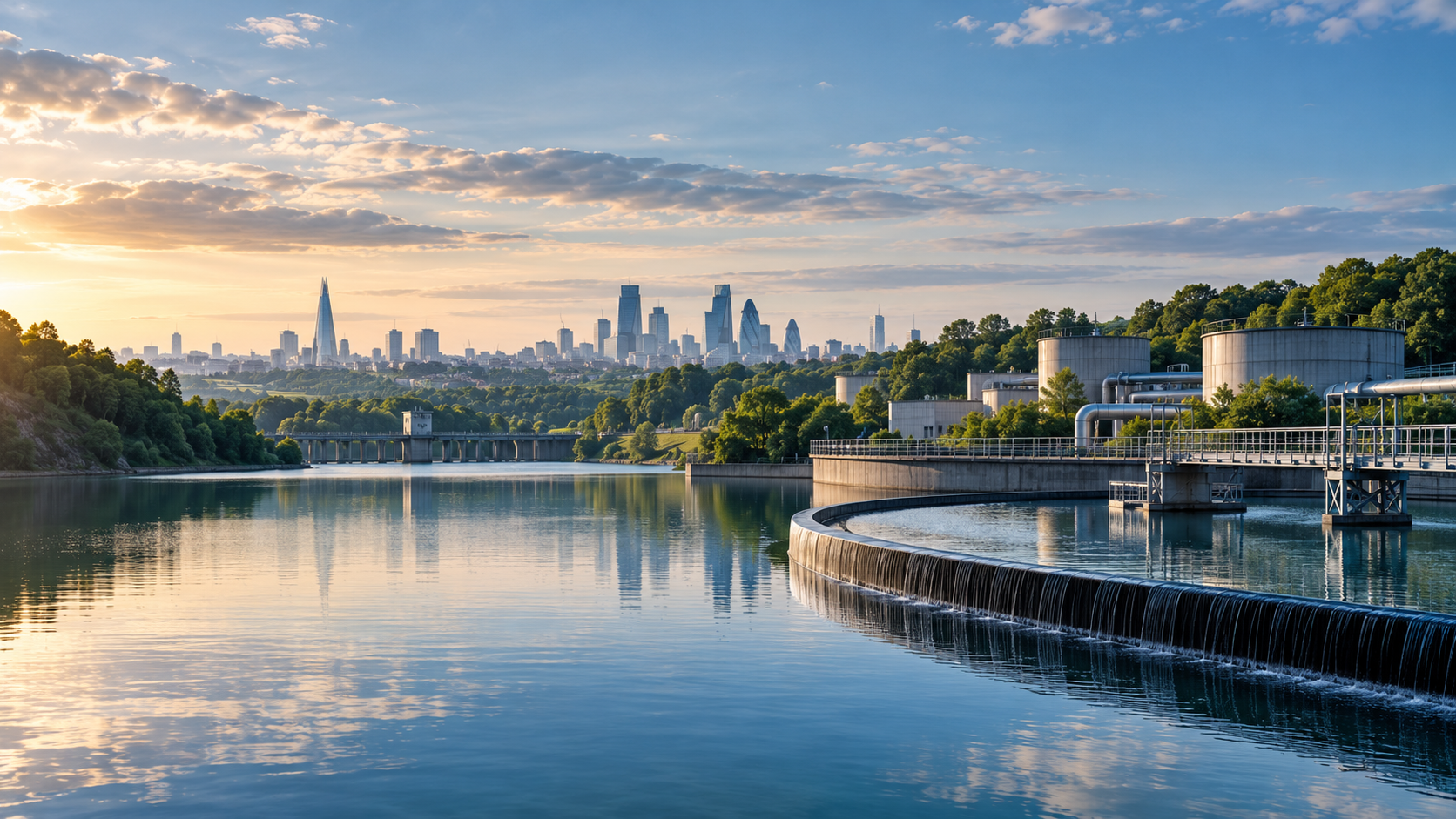
Sample AI Image
Equally important is collaboration. Water companies cannot tackle these challenges in isolation. Regulators, policymakers, engineering specialists, technology providers and local communities all have a role in shaping a more sustainable future.
And perhaps most importantly, the industry must become better at communicating its purpose and progress. Public trust cannot be restored through investment figures and corporate statements alone. It must be earned through transparency, accountability and demonstrable environmental improvements.
There is a genuine opportunity here to redefine what a successful water industry looks like.
The question is whether we have the collective ambition to seize it.
The future of water should not simply be about repairing what has gone wrong. It should be about creating something fundamentally better.