
With parts of Devon and Cornwall in severe drought, South West Water is drawing on four repurposed quarries that together can supply up to 24 million litres of drinking water a day. It is a small-scale, low-cost answer to a big problem, and a reminder that some of the quickest resilience gains come from making better use of what already exists.
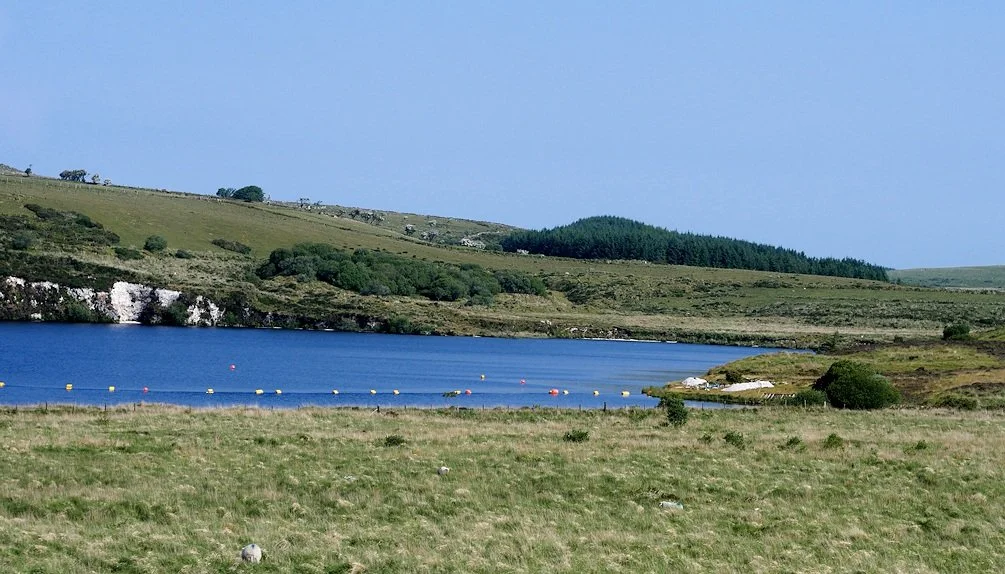
South West Water's four repurposed quarries can supply up to 24 million litres of drinking water a day, adding resilience as parts of Devon and Cornwall face severe drought. Image: Cornwall National Landscape, Hawks Tor Reservoir by David Dixon, CC BY-SA 2.0, via Wikimedia Commons

South West Water has set out how its network of former quarries is helping to protect supplies during this autumn's drought. Parts of Devon and Cornwall are in severe drought after months of exceptionally dry weather and the hottest summer on record, and some of the region's reservoirs have fallen to critically low levels.
The company now has four repurposed quarries in its network:
Park Lake, acquired in 2009;
Stannon Lake, acquired in 2011;
Hawks Tor, a disused quarry obtained in direct response to the 2022 drought; and
Blackpool Pit, completed in 2024.
Together they can provide up to 24 million litres of drinking water a day. The principle is simple: the quarries store raw water when it is available, and the company draws on it when supplies are under pressure, adding storage and flexibility to how it uses the region's resources.
It is not a new idea. As Paul Merchant, senior water resources business partner at South West Water, points out, "Some of our reservoirs started life as quarries." Repurposing them once their working lives end, he says, is "a more efficient way of strengthening the water resources network" than building new reservoirs from scratch.
The quarries are part of a wider response to the 2022 drought, the region's worst in more than 130 years, which led to hosepipe bans in Cornwall and parts of Devon. In 2024 South West Water said it was investing more than £125 million to increase water resources by 30% in Devon and 45% in Cornwall, including the quarries, winter pump storage and plans for desalination at Par.
This year has tested that investment. The Environment Agency declared severe drought, the highest drought status it can set, for parts of the South West in October, and says England needs at least 120% of average rainfall over the next six months to be out of drought by spring.
Longer term, the company's Water Resources Management Plan includes new reservoirs, inter-regional pipelines, water recycling and storage. The largest single scheme is Cheddar 2, a new reservoir in Somerset that would add 20 million litres a day and be delivered through the Direct Procurement for Customers model, with contract award due by 2029.
Why it matters for Confluence
The UK's water resilience story is often told through its biggest projects: new reservoirs, strategic transfers and recycling plants. They are essential, but they take a decade or more to deliver. The South West's quarries show the other half of the story: smaller, faster interventions that make better use of existing assets and land.
That chimes with one of the central insights in this week's Infrastructure Systems Review case studies: that some of the greatest opportunities lie in stewarding existing systems. Former quarries, disused sites and existing reservoirs can all be part of a more resilient network, if the sector looks at the system as a whole.
It also shows the value of learning from the last drought before the next one. The question for the sector is how lessons like these are shared between companies, rather than relearned in each region. That is the kind of conversation Confluence exists to have, at Manchester Central on 3 March 2027.